




Heritage Walking Tours in Singapore: What Most Visitors Miss
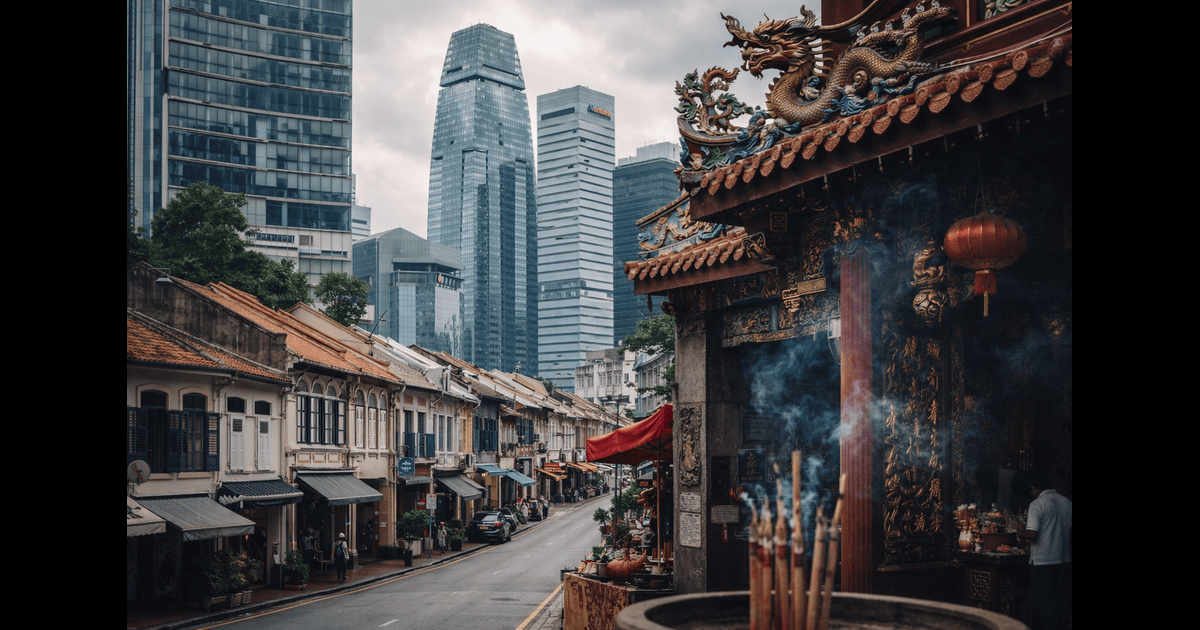
Singapore Is Not Just Modern— It Is Layered
Singapore is often seen through its skyline: glass towers, efficiency, precision.
But beneath that surface lies something quieter, more enduring.
A heritage walking tour reveals a different Singapore, one shaped by migration, trade, belief, and adaptation over generations.
Look closer, and you begin to notice:
- Ceramic tiles on Peranakan homes, chosen not just for beauty but for symbolism and status
- Clan association halls tucked above modern storefronts, still quietly active
- Streets that follow old trade routes rather than modern planning logic
- Temples, mosques, and churches existing side by side within dense urban grids
These are not preserved relics.
They are living systems— still part of how the city functions today.
The Difference Between Seeing and Understanding
It is easy to walk through places like Chinatown, Kampong Glam, or Little India.
In fact, you can pass through entire districts in under 30 minutes.
But without context, much of what matters goes unnoticed.
You might not realize:
- Why certain streets were dedicated to specific trades or communities
- How dialect groups influenced the design and function of shophouses
- Why incense smoke gathers at particular corners — and what it signifies
- How colonial policies shaped the separation — and later blending — of districts
A heritage walking tour does not just show you places.
It connects architecture, ritual, migration, and policy into a single, coherent narrative.
What Most Visitors Overlook
1. Colour Logic in Facades
Shophouses are often admired for their colours but rarely understood.
Pastel tones, bold contrasts, and tiled surfaces reflect a mix of:
- Cultural aesthetics
- Imported materials
- Period influences (from colonial to Art Deco)
What appears decorative is often deeply intentional.
2. Spiritual Geography
Places of worship in Singapore are rarely random.
Their locations reflect:
- Early settlement patterns
- Community needs at specific points in time
- The movement of people through trade and migration
This is why, within a short walk, you may encounter a temple, mosque, and church — each rooted in a different chapter of the same story.
3. Trade Foundations
Singapore’s identity was built on exchange.
The port did not just move goods — it shaped communities.
Entire districts formed around:
- Commodities (spices, textiles, gold, provisions)
- Skilled trades and guilds
- Dialect-based networks that supported new arrivals
Today’s neighbourhoods still carry these imprints, even as their functions evolve.
Who This Is For?
A heritage walking experience is best suited for those who value depth over speed.
- Travellers interested in culture, not just attractions
- Repeat visitors seeking a deeper layer of understanding
- Small corporate groups looking for thoughtful, shared experiences
FAQ
Are heritage walking tours suitable for first-time visitors?
Yes. They provide a strong foundation for understanding Singapore beyond its surface, making the rest of your trip more meaningful.
How long should a heritage tour be?
Around 2.5 to 3 hours allows enough time to explore, reflect, and connect the different elements without fatigue.
Heritage in Singapore does not announce itself loudly.
It lives in details: in tiles, thresholds, scent, and street alignment.
It reveals itself slowly, to those willing to look beyond what is immediately visible.
And often, those who walk with intention tend to see more.
If you’re looking to experience Singapore through its quieter layers where stories connect across streets and time, explore Hoofin Experio’s heritage walks.